Kedarkantha 2026 Snowfall: Trail Report & Is It Safe?
On this page
The first snow has fallen. Mid-November 2026 brought the season's first significant snowfall to Kedarkantha, transforming the Uttarakhand trail from a crisp autumn trek into a full winter experience. Trekkers planning late November and December trips are asking: what are conditions actually like, and is it safe to go right now?
The Short Answer
Kedarkantha is safe to trek right now — for prepared trekkers.
The November 2026 snowfall has not closed the trail. It has not made the route technically dangerous for anyone who arrives with appropriate winter gear, reasonable physical fitness, and the common sense to follow their trek leader's guidance.
What it has done is raised the standard of "prepared." The trail that is comfortable in sneakers during October now demands waterproof trekking boots, microspikes above Juda Ka Talab, and sub-zero sleeping bags at camp.
Section-by-Section Trail Report: November 20, 2026
Section 1: Sankri to Forest Entry
Condition: Clear and Dry
At 6,400 feet, Sankri itself sees occasional frost but rarely snow at this point. The trail out of the village is clear, dry, and straightforward. Normal trekking shoes are adequate here.
Risk level: Minimal
Section 2: Lower Forest — Sankri toward Upper Oak Zone
Condition: Crisp; Light Frost on Shaded Sections
The lower forest is extraordinary right now — oak trees with massive canopies, rhododendron groves, and pine stands. Some branches at this elevation carry a light frost coating in the early morning that catches the sunlight beautifully.
The trail is mostly clear of snow at this elevation. Icy patches may appear in deeply shaded sections that don't get direct morning sunlight.
Risk level: Low
Section 3: Upper Oak Forest to Juda Ka Talab
Condition: Snow Patches and Increasing Cover; Microspikes Recommended
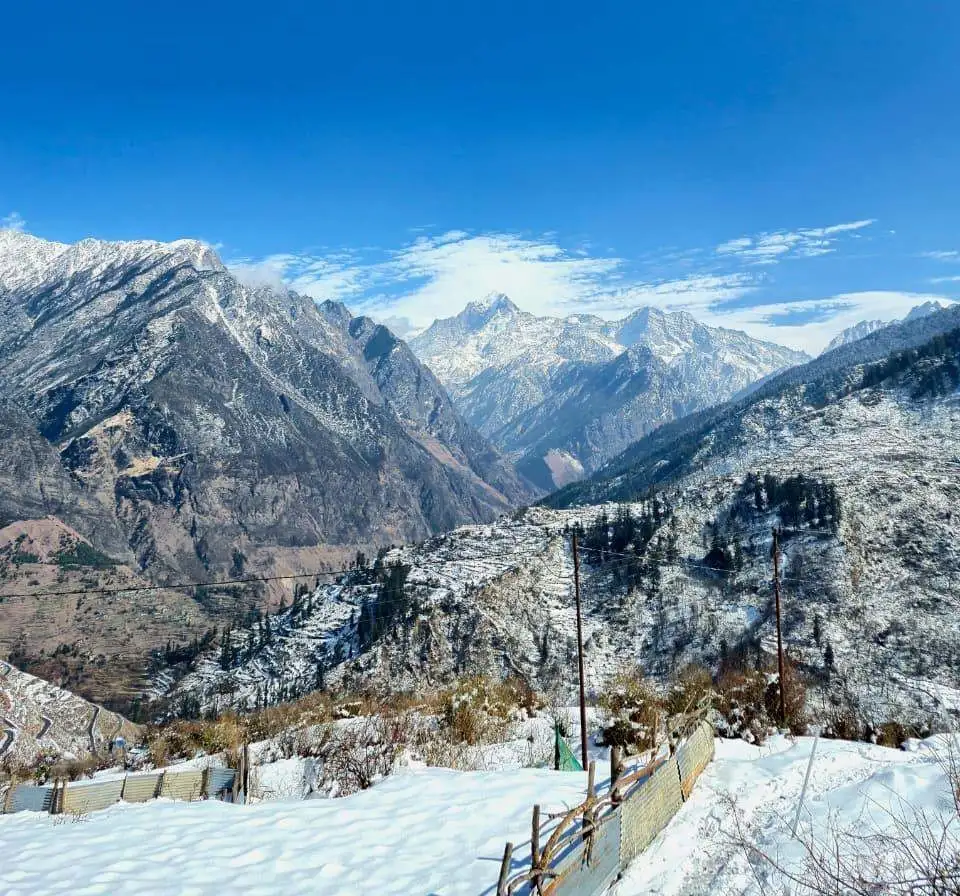
This is where the November snowfall becomes properly visible. The upper forest section — the last kilometre before Juda Ka Talab — has consistent snow cover, with deeper accumulation in areas sheltered from wind.
The trail narrows and steepens in sections. With snow on the surface over rocky ground, traction becomes a genuine concern. This is where most winter trek accidents on Kedarkantha occur — not on the dramatic summit section, but here, in the mid-forest, where trekkers underestimate slippery compacted snow on rock.
Risk level: Moderate | Microspikes strongly recommended from this point forward
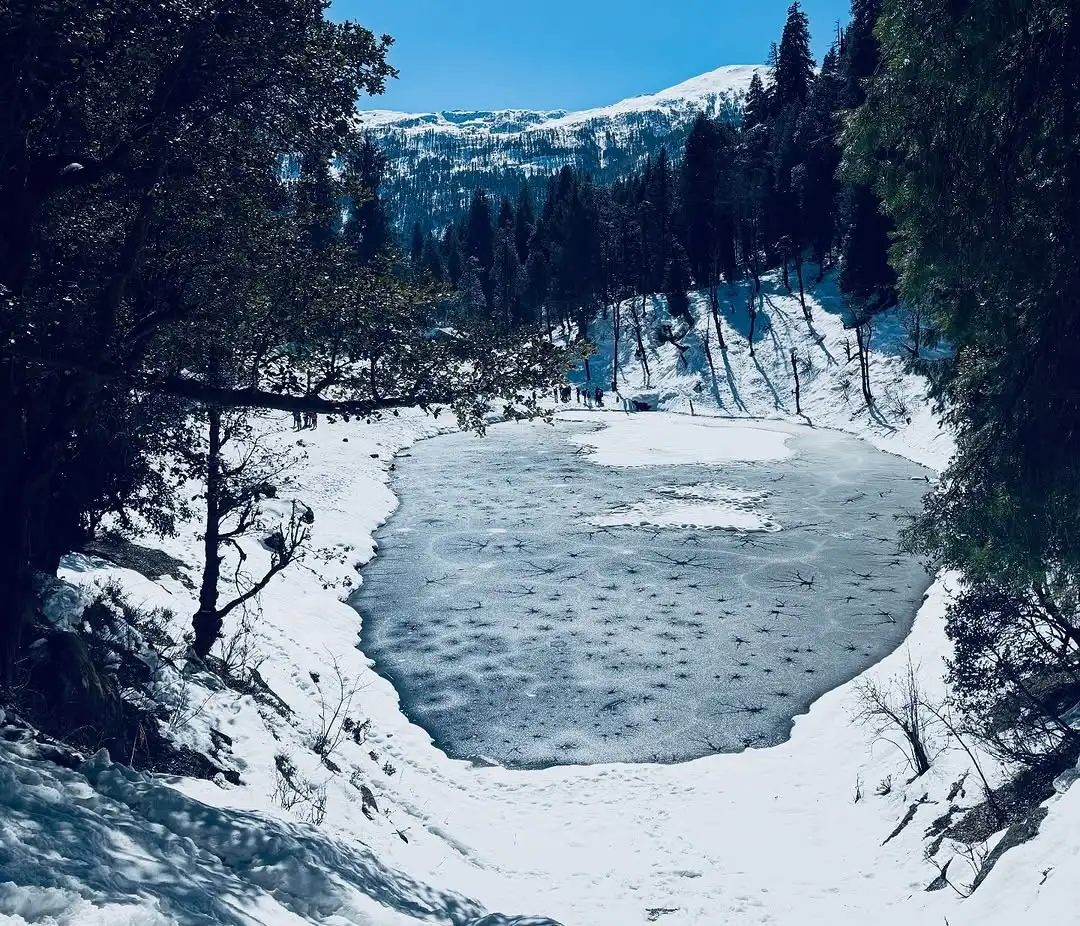
Section 4: Juda Ka Talab Camp Area
Condition: Full Winter — Lake Partially Frozen, Meadow Snow-Covered
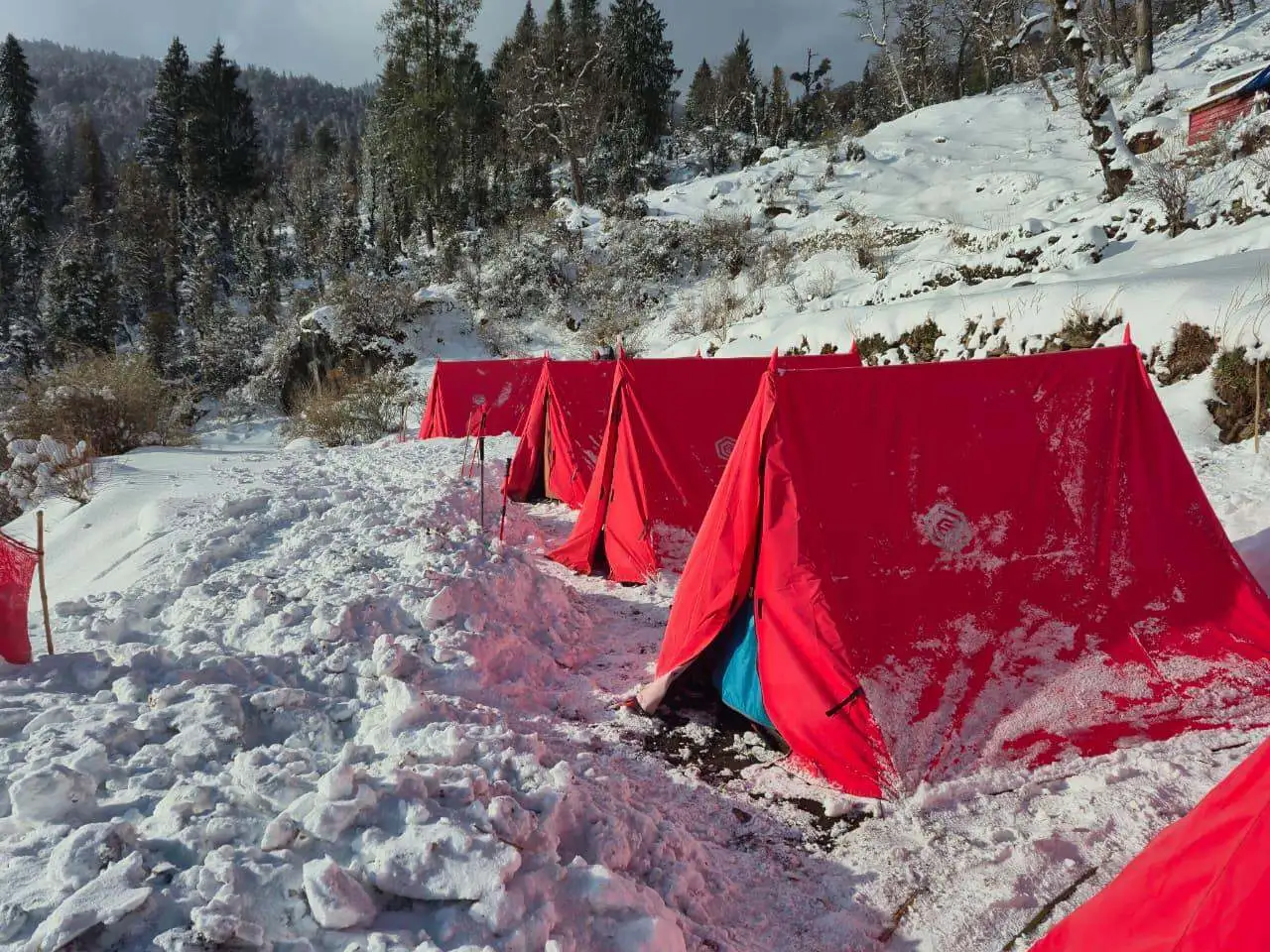
The lake has begun to ice over at the edges. The surrounding meadow is covered in snow. Pine trees around the perimeter carry accumulated snow on their branches. It is one of the most beautiful campsites in Indian trekking.
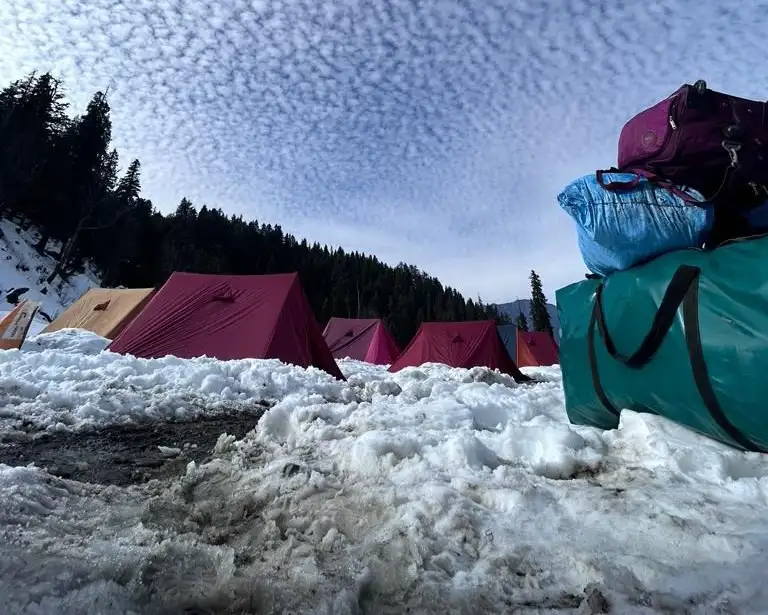
Overnight temperatures here: -4°C to -8°C. A sleeping bag rated to at least -10°C is necessary. Tent condensation will freeze overnight. Keep your boots inside a dry bag inside the tent to prevent them from freezing solid.
Risk level: Moderate (camping-related cold exposure; manageable with proper gear)
Section 5: Juda Ka Talab to Kedarkantha Base Camp
Condition: Consistent Snow Cover; Icy in Shaded Zones; Microspikes Essential
This section climbs steadily out of the Juda Ka Talab clearing and into more open terrain as the treeline begins to thin. Snow cover is consistent — this section received the most accumulation from the November snowfall — and the trail surface alternates between fresh powder (easier to walk on) and compacted ice (harder, requiring proper grip).
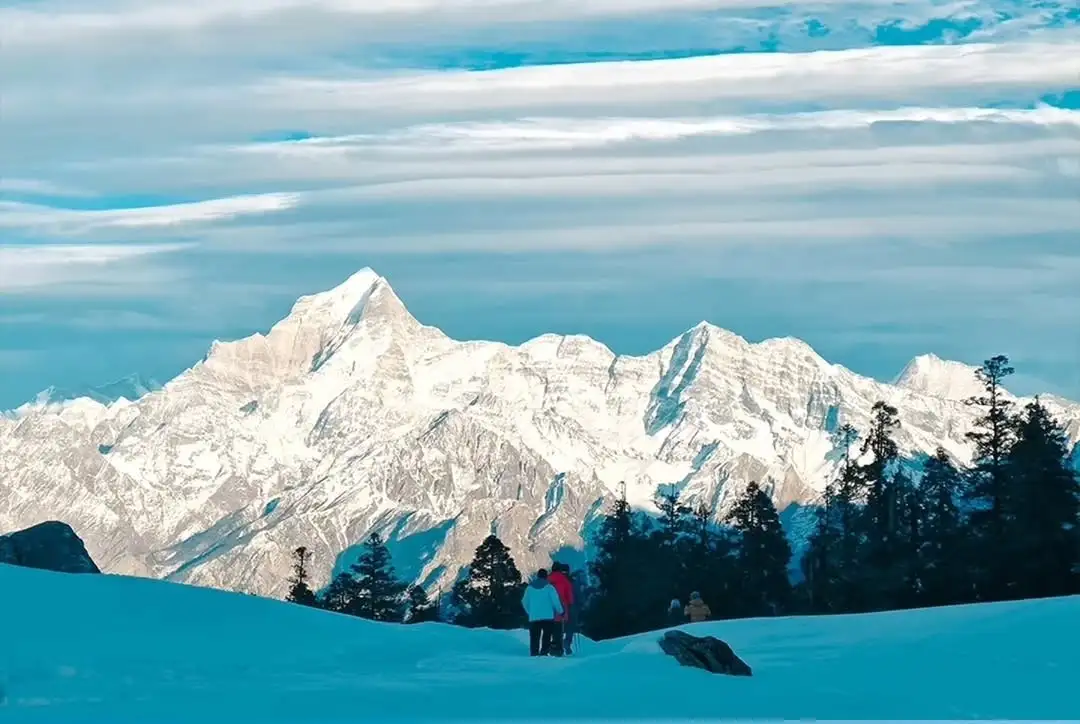
Views begin to open dramatically. Swargarohini and Bandarpunch become visible through gaps in the remaining trees.
Risk level: Moderate
Section 6: Base Camp to Summit
Condition: Full Winter Mountain — Deep Snow, Pre-Dawn Temperatures Well Below Zero
The summit push begins at 2:00–3:00 AM and covers approximately 1,500 feet of elevation gain. After the November snowfall, the upper summit section has 6–10 inches of packed snow on the main approach ridge, with drifts deeper in exposed corners.
Before sunrise, temperatures at the summit section are running between -10°C and -15°C, potentially lower with wind chill on the exposed ridge.
Risk level: Moderate to High (without guide and proper gear); Moderate (with guide and gear)
CAUTION
If your trek leader advises turning back due to sudden weather deterioration — that decision is correct and must be respected. The summit will be there in December, in January, in future years.
Risk Assessment Table
| Risk Factor | Prevention |
|---|---|
| Slipping on icy trail | Waterproof boots + microspikes |
| Cold exposure / hypothermia | 3-layer system + balaclava + gloves |
| Altitude sickness (AMS) | Proper 5-day itinerary + hydration |
| Getting lost on trail | Registered guide + group trekking |
| Equipment failure in cold | Insulated bottle + spare batteries |
| Weather deterioration | Daily weather check + guide's judgment |
Who Should Go, Who Should Wait, Who Should Skip
✅ Trek Now If:
-
You have waterproof boots, microspikes, and a 3-layer clothing system
-
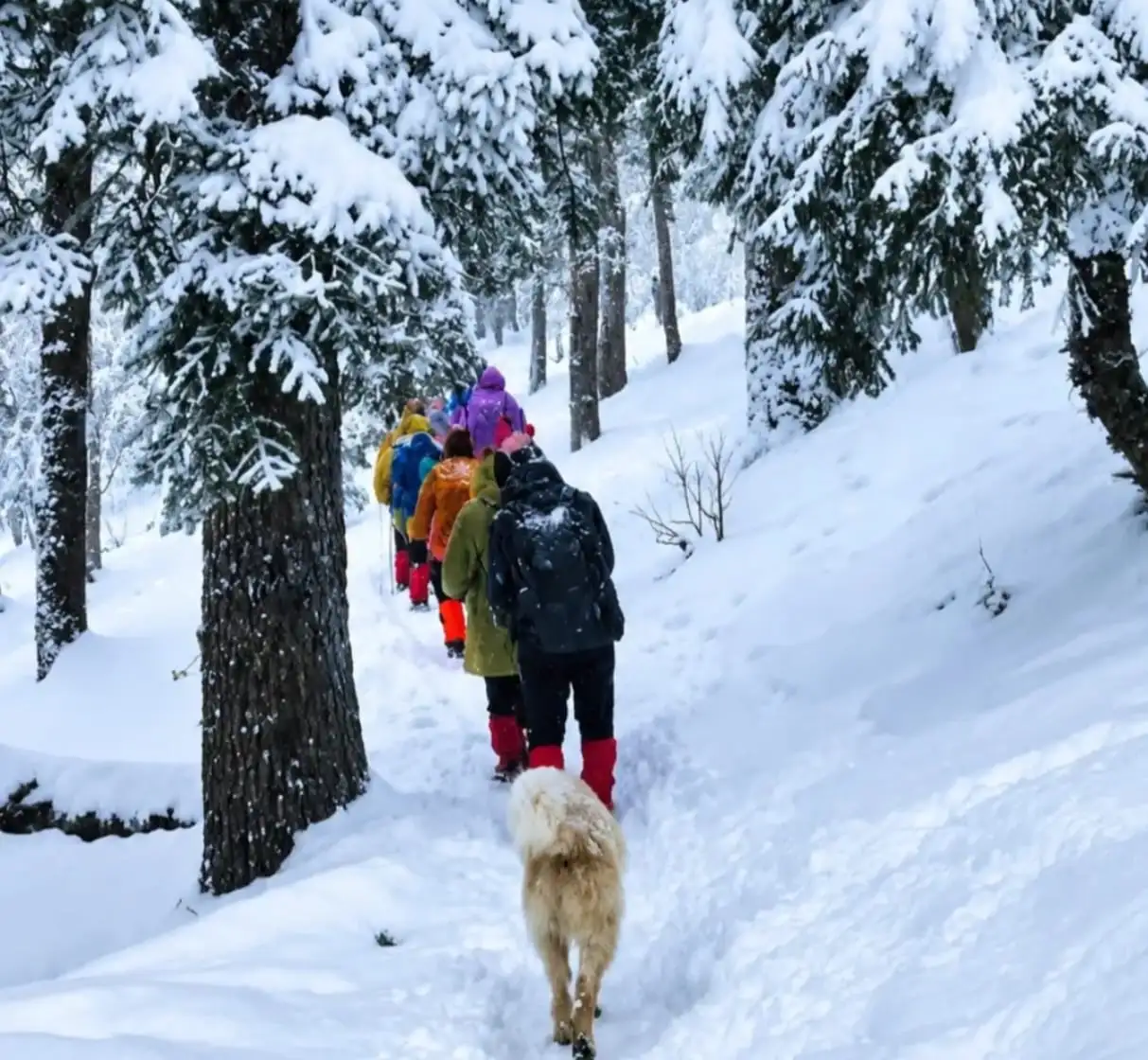
You are trekking with a registered operator or experienced guide
-
Your fitness allows 5–6 hours of daily hiking at altitude
-
No active Western Disturbance is forecast for your trek dates
⏳ Wait 1–2 Days If:
-
A fresh Western Disturbance is active over Uttarakhand
-
Heavy overnight snowfall was recorded on the trail in the past 48 hours
-
You are still arranging gear or fitness preparation is incomplete
❌ Postpone to a Future Season If:
-
You don't have or cannot access appropriate winter gear
-
You have no cold-weather trekking experience and no guide
-
Your available dates allow fewer than 5 full days with no weather buffer
The 3 Most Common Mistakes After Snowfall
Mistake 1: Underestimating the Summit Push Temperature Most people read "-12°C" and think they know what that feels like. At 2:00 AM, with ridge wind and fatigue from two days of trekking, it is a severe cold experience. Test your cold-weather clothing before the trek.
Mistake 2: Not Breaking in New Trekking Boots Brand-new waterproof boots worn for the first time on a 20km snow trek cause severe blistering by Day 3. Wear them on 3–4 long walks before you go.
Mistake 3: Skipping the 5-Day Itinerary The temptation to rush — to do the trek in 4 days — is understandable but counterproductive. The 5-day itinerary exists specifically to allow gradual altitude adaptation. Compressing it increases AMS risk dramatically.
Frequently Asked Questions
Q1. Is Kedarkantha safe to trek right now after the mid-November 2026 snowfall? Yes — for prepared trekkers with proper winter gear and a registered guide. The trail from Sankri is open. Snow on the upper sections adds challenge but is not insurmountable for those equipped with microspikes and correct guidance.
Q2. Which section of the Kedarkantha trail is riskiest after snowfall? The upper oak forest to Juda Ka Talab section sees the most compacted ice on shaded stretches. The summit ridge (base camp to summit at 2–3 AM) is the most exposed and coldest section. Both require microspikes and full winter gear.
Q3. Can I do Kedarkantha as a solo self-guided trek after snowfall? Not recommended. Snow hides trail markers, the summit ridge is exposed, and the pre-dawn navigation requires local familiarity. Trek with a registered operator or at minimum a local guide hired in Sankri.
Q4. How do I verify current trail conditions before departing? Contact your registered trek operator directly — they run groups daily and have real-time updates. You can also call guesthouses in Sankri village directly. Never rely on information older than 24 hours in winter conditions.
Q5. What is the cancellation policy if the trail closes after snowfall? Most registered trek operators offer rescheduling options if the trail is officially closed due to severe weather. Always confirm the rescheduling policy before booking. Avoid operators with strict no-refund policies.
Global Events and Travels
Admin