Kauri Pass Winter Trek 2026: Complete Guide After Snowfall
On this page
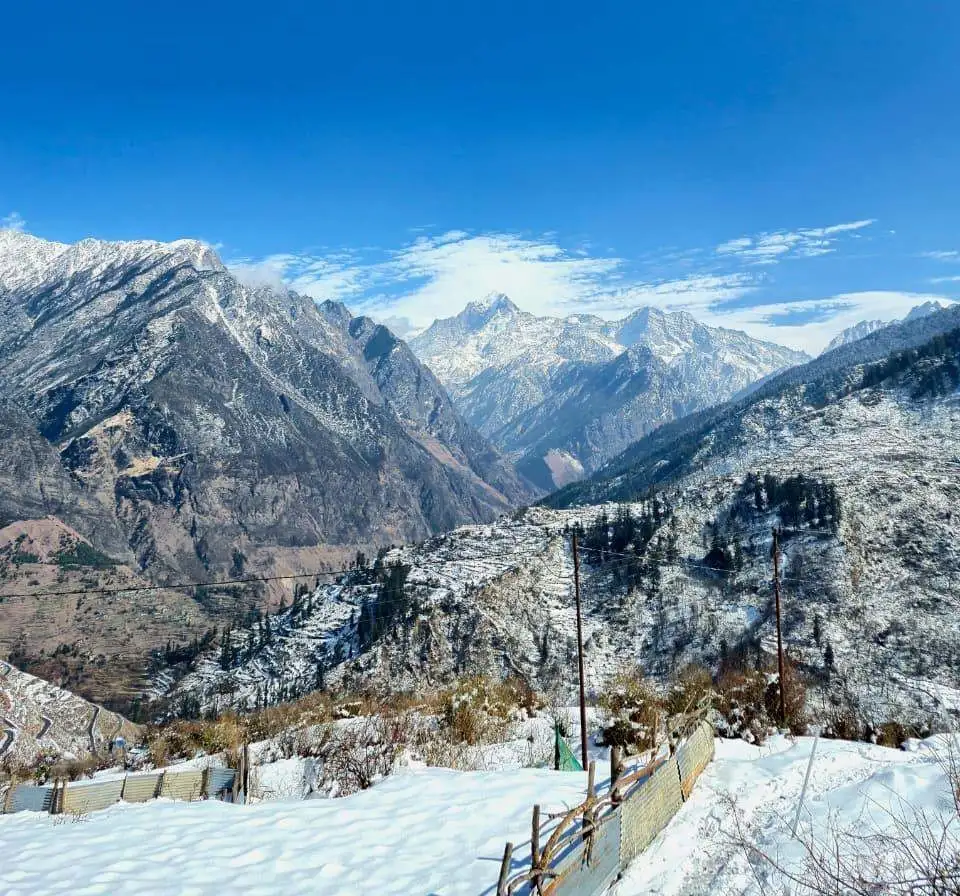
Snow Update: Kauri Pass received its first significant snowfall of the 2026 winter season in mid-November, dusting the high meadows and pass ridge above 10,000 feet with a fresh layer of white. For trekkers planning a late November or December trek through the Nanda Devi-facing ridges of Uttarakhand — this is your complete guide.
What Makes Kauri Pass Different From Every Other Himalayan Trek
Most trekking routes in the Garhwal Himalayas deliver views of the high peaks. Kauri Pass delivers an audience with them.
The pass itself — sitting at 3,815 metres (12,516 feet) in Chamoli district, Uttarakhand — faces directly south toward the Nanda Devi Sanctuary. From this ridge, you get one of the most concentrated, unobstructed views of Himalayan giants available on any trekking route in India without technical mountaineering skills.
The view includes: Nanda Devi (7,816 m), Dronagiri (7,066 m), Kamet (7,756 m), Chaukhamba (7,138 m), Hathi Parbat, and Ghori Parbat — all visible in a single sweep of the horizon.
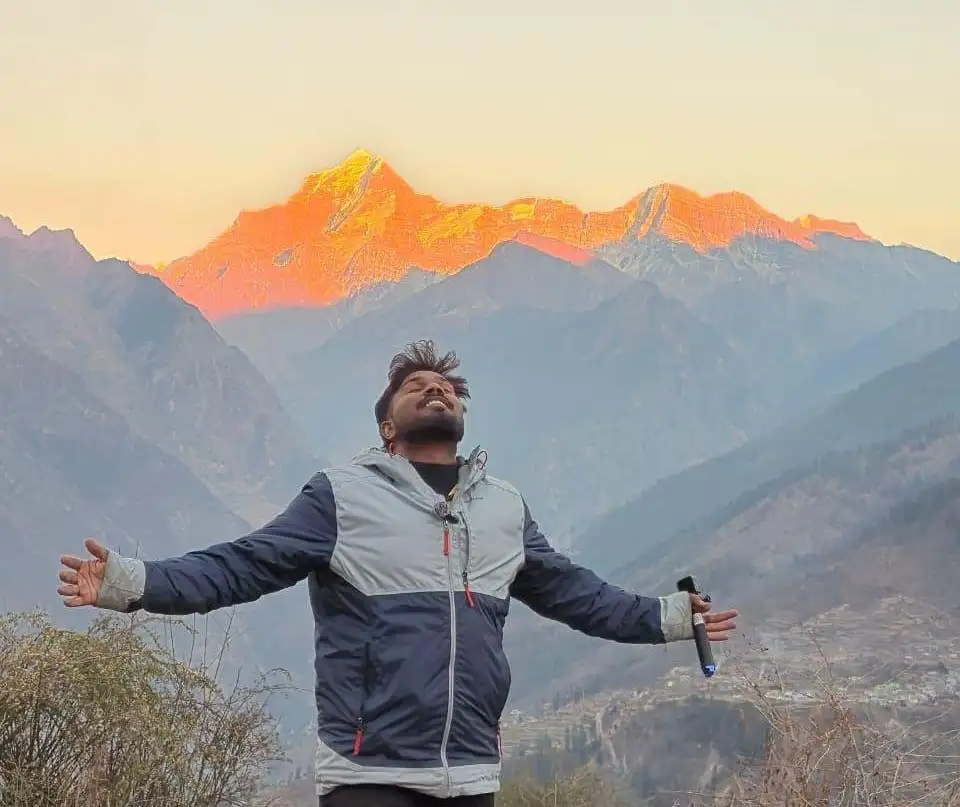
After November's snowfall, this view is framed by white foreground ridges and a deep winter sky. The contrast of fresh snow on the high meadows against the dark exposed rock of the distant summits is a visual experience that photographs genuinely cannot prepare you for.
Current Snow Conditions (as of November 20, 2026):
Trail SectionConditionAuli / Joshimath to GullingClear to light frost; well-defined trailGulling to KhullaraSnow patches increasing; icy sections in shaded forestKhullara to Kuari Pass RidgeConsistent snow cover; exposed ridge with wind; full winter gear requiredGorson Bugyal (descent)Snow-covered meadow
Trek Facts at a Glance
FactorDetailsLocationChamoli District, UttarakhandMaximum Altitude3,815 m / 12,516 ftTrek Duration5–6 daysDifficultyEasy to Moderate (winter adds challenge)Starting PointJoshimath / Auli or Dhak villageNearest AirportJolly Grant Airport, DehradunKey FeatureUnobstructed Nanda Devi panorama
The 6-Day Kauri Pass Winter Itinerary
Day 1: Delhi / Haridwar to Joshimath (Drive — 10–12 Hours)
Your Kauri Pass journey begins in Haridwar or Rishikesh, following the Alaknanda River valley through Devprayag, Rudraprayag, Chamoli, and Pipalkoti before climbing to Joshimath at ~6,000 feet.
Overnight buses from Delhi to Joshimath available (12–14 hours)
Carry sufficient cash — ATMs beyond Chamoli can be unreliable in winter
Spend one night in Joshimath before the trek begins
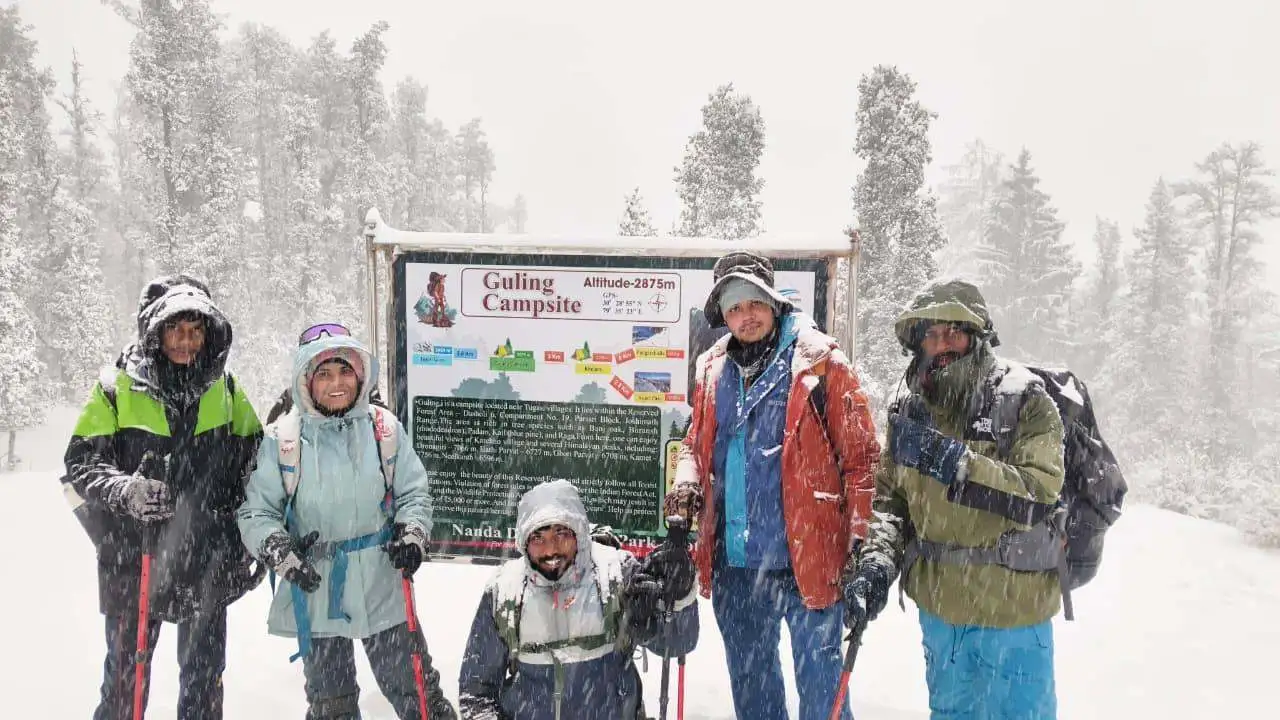
Day 2: Joshimath to Gulling (Trek Start, 3–4 Hours)
The trek begins either at Dhak village (accessed by road from Joshimath) or from Auli — the famous ski resort at 2,519 m — with both options leading to the first campsite at Gulling.
The forest sections on this day are beautiful in late November — oak trees with their characteristic large leaves mostly shed, the forest floor covered in a layer of decomposing leaves with frost on shaded patches.
Overnight: Gulling or Tali camp (~2,900–3,000 m) Temperatures: Daytime 8°C–13°C | Nighttime 0°C to -4°C
Day 3: Gulling to Khullara (3–4 Hours, Gaining Altitude)
This is the transition day — from the forest world into high alpine terrain. The trail climbs steadily through the last sections of rhododendron forest before emerging into the open meadow terrain around Khullara camp.
Khullara camp (approximately 3,500 m) is one of the most scenic campsites on any trekking route in India — an open meadow with an unobstructed southern view. Nanda Devi is visible from camp on a clear day.
Overnight: Khullara (~3,500 m) Temperatures: Daytime 2°C–8°C | Nighttime -6°C to -10°C
CAUTION
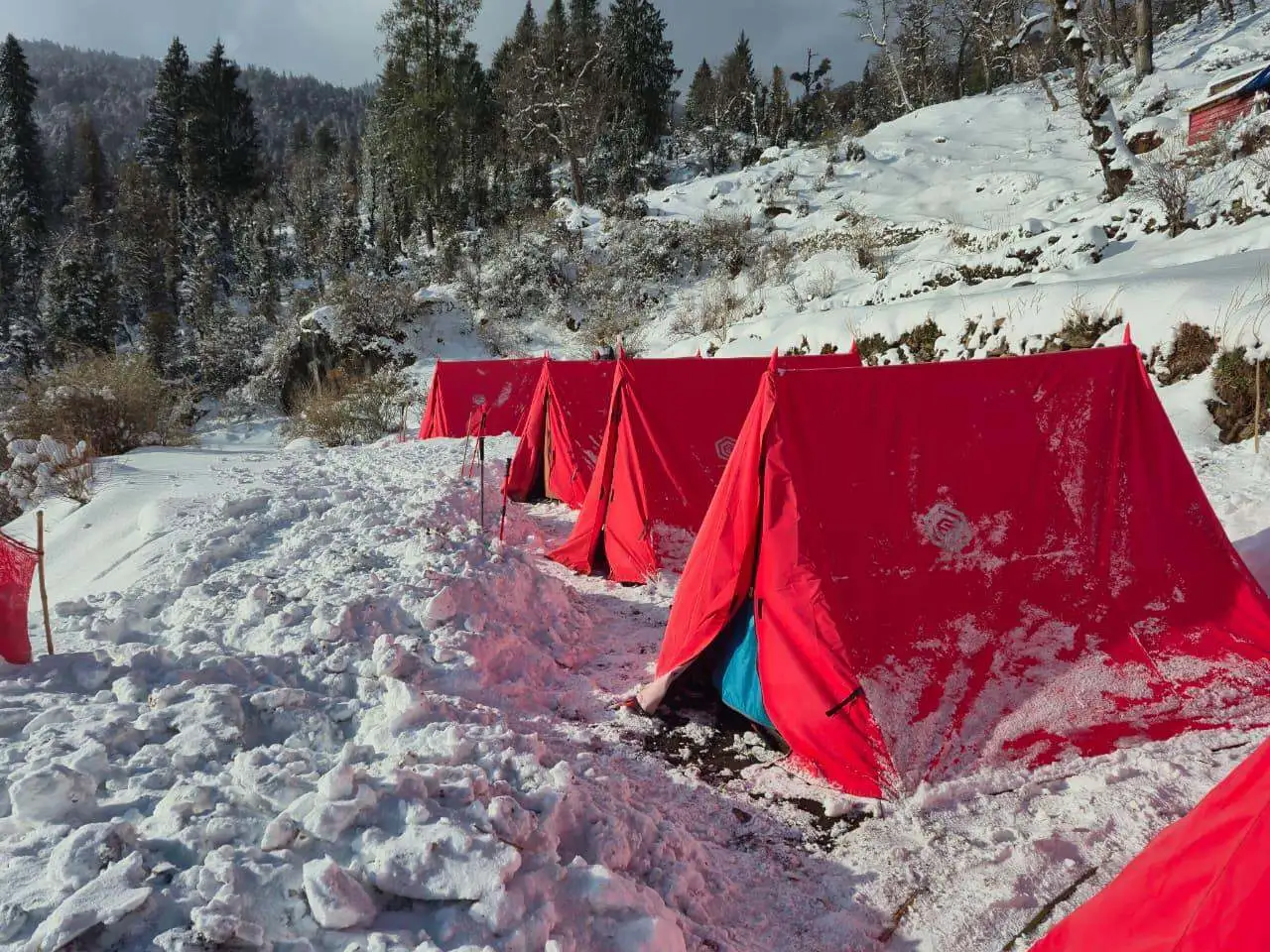
Nights at Khullara after the November snowfall are genuinely cold. A sleeping bag rated to at least -12°C is necessary. Tent condensation will freeze overnight.
Day 4: Khullara to Kuari Pass and Back (The Summit Day, 6–7 Hours)
The Pass Approach: The trail from Khullara climbs a snow-covered ridge to the Kuari Pass at 3,815 m. This ridge section is fully exposed to wind — microspikes are essential and the full layering system must be on before you start.
The View From Kauri Pass: The panorama to the south-southeast is dominated by Nanda Devi at 7,816 metres. Surrounding it, in a sweep from east to west: Dronagiri, Kamet, Mana Peak, Hathi Parbat, Ghori Parbat, and Chaukhamba. In total, six Himalayan peaks above 7,000 metres are visible simultaneously from this single viewpoint.
Spend as long as you can here. This is the view that defines the entire trek.
Return: Descend back to Khullara for lunch.
Day 5: Khullara to Gorson Bugyal and Auli (Descent, 4–5 Hours)
The loop route descends from Khullara through Gorson Bugyal — a high-altitude meadow known in winter for its expanse of unbroken snow. This meadow sits directly above the Auli ski resort and offers views back toward the Nanda Devi-facing ridge.
Overnight: Joshimath (descend by road from Auli)
Day 6: Joshimath to Haridwar / Delhi (Return Journey)
Rest, recover, eat well in Joshimath, and begin the return journey.
Winter Gear Checklist
CategoryItemsFootwearWaterproof high-ankle boots, microspikes, gaiters, 3–4 pairs woollen socksClothingThermal base layer, fleece/down mid layer, waterproof windproof outer shellAccessoriesBalaclava/face mask, UV sunglasses, waterproof gloves + liner gloves, woollen beanieEquipmentHeadlamp + spare batteries, two trekking poles, insulated thermos, sleeping bag (-12°C rated)
TIP
Microspikes and gaiters can often be rented through Joshimath-based trek operators. Confirm whether these items are included in your package.
5 Key Safety Rules
The ridge is exposed — wind chill is severe. The final approach to Kuari Pass has no tree cover. Full balaclava, windproof outer layer, and waterproof gloves before you start the ridge section.
Khullara sleeping gear is non-negotiable. At 3,500 m in late November, overnight temperatures are -8°C to -12°C or colder. A sleeping bag rated to -12°C is the minimum.
Start the pass day early. Begin the Khullara-to-pass section by 7:00–7:30 AM to reach the pass by mid-morning and have adequate time for return and descent.
Never trek the ridge without a guide in snowfall. The snow-covered ridge from Khullara to Kuari Pass has limited trail markings. Never attempt this section solo or without an experienced guide.
Keep a weather buffer day. A Western Disturbance can drop heavy overnight snow on the Joshimath road corridor. A buffer day protects against weather delays.
Budget Breakdown (Per Person)
ExpenseCost (INR)Delhi to Haridwar (train)₹300 – ₹600Haridwar to Joshimath₹500 – ₹1,200Trek package (5–6 days)₹9,000 – ₹16,000Personal gear purchase/rental₹1,500 – ₹4,000Miscellaneous₹700 – ₹2,000Total₹12,000 – ₹24,000
Frequently Asked Questions
Q1. Is Kauri Pass trek suitable for beginners in winter? Yes — it is graded easy to moderate with no technical climbing required. However, the Khullara camp (3,500 m) night temperatures and the exposed pass ridge in winter demand proper gear. First-timers should trek with a registered operator and ensure their sleeping bag is rated to -12°C.
Q2. Can I see Nanda Devi clearly from Kuari Pass? Yes — Nanda Devi is the defining view of the entire trek. On a clear winter day, it dominates the southern horizon from the pass ridge at 3,815 m. The fresh November 2026 snow has renewed its upper faces for exceptional winter views.
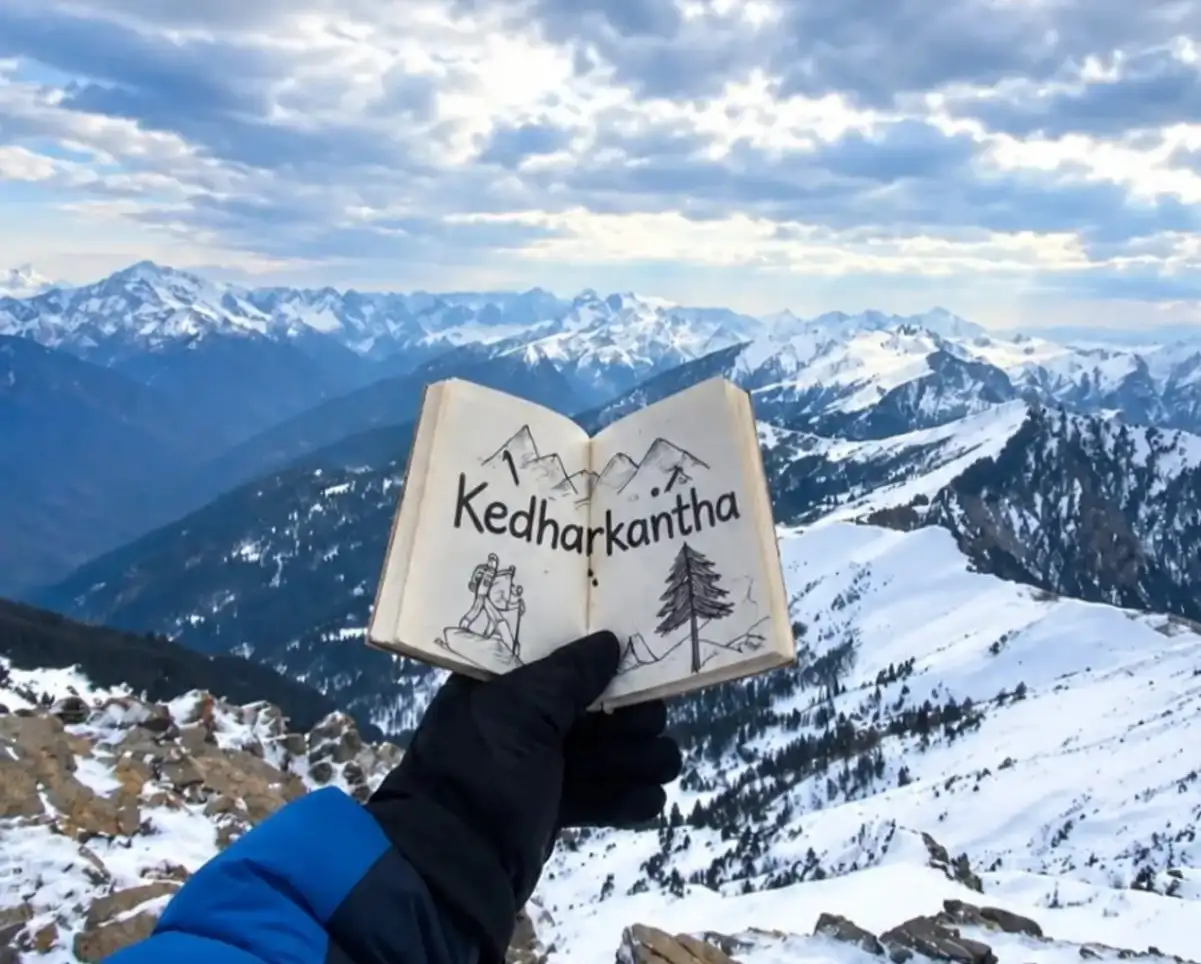
Q3. How is Kauri Pass different from Kedarkantha for a winter trek? Kedarkantha (Uttarkashi) focuses on a dramatic summit push to 12,500 ft and sunrise views. Kauri Pass (Chamoli) is defined by its extraordinary Nanda Devi-facing panorama from the ridge, the Gorson Bugyal meadow, and proximity to the Auli ski resort. Kauri Pass also involves higher altitude camps (Khullara: 3,500 m) making overnight conditions slightly more demanding.
Q4. When does heavy snow arrive on the Kauri Pass trail? Mid-November brings the first snowfall on upper sections (as now). By mid-December, consistent heavy snow covers the full trail from Gulling onwards. January and February bring the deepest snowpack and most dramatic winter conditions.
Q5. Is there a permit required for the Kauri Pass trek? The Kuari Pass route passes through the Nanda Devi Biosphere Reserve buffer zone. Forest entry fees apply and are typically handled by registered trek operators as part of the package. If trekking independently, arrange permits through local forest offices in Joshimath before starting.
Global Events and Travels
Admin