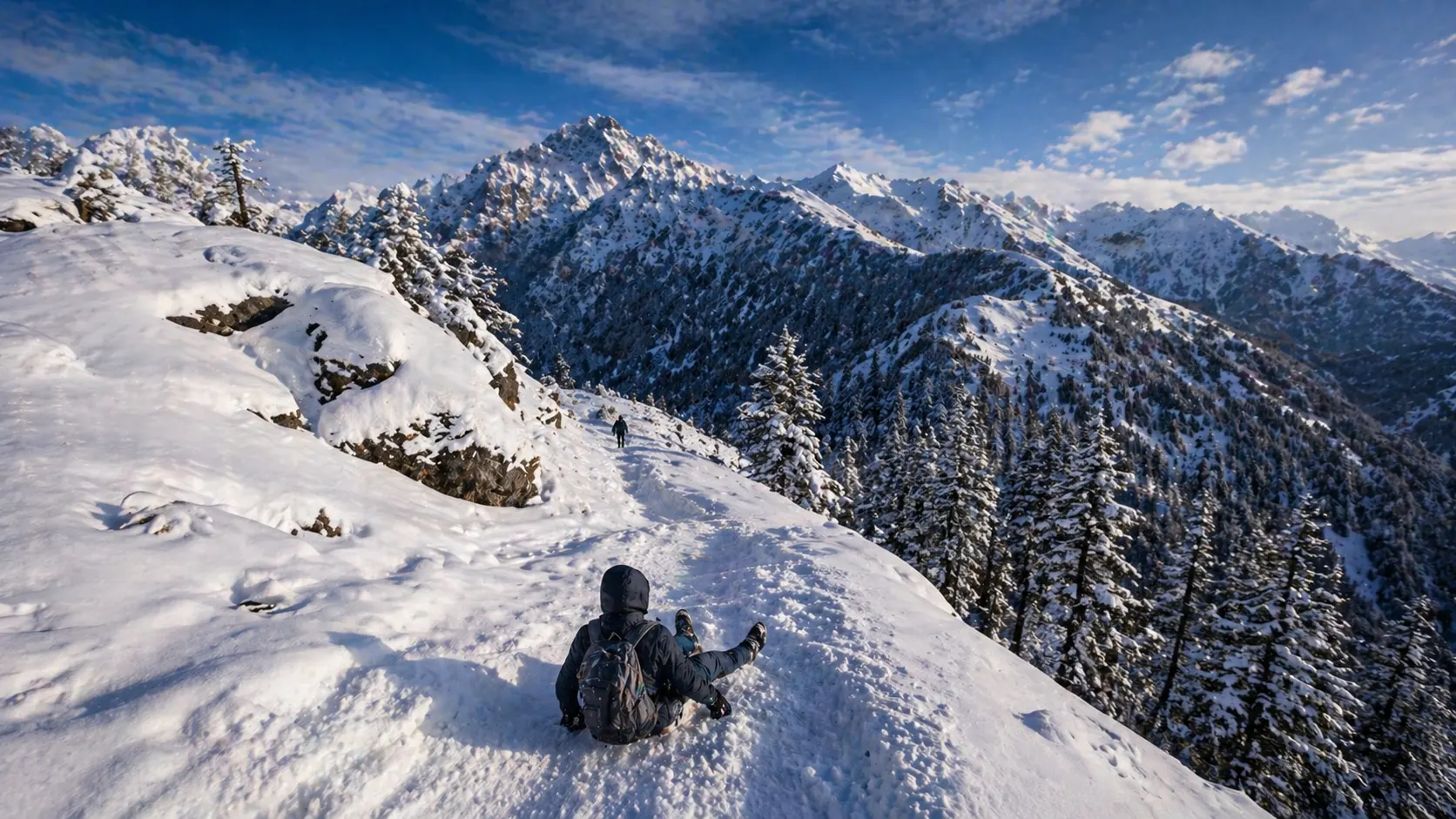
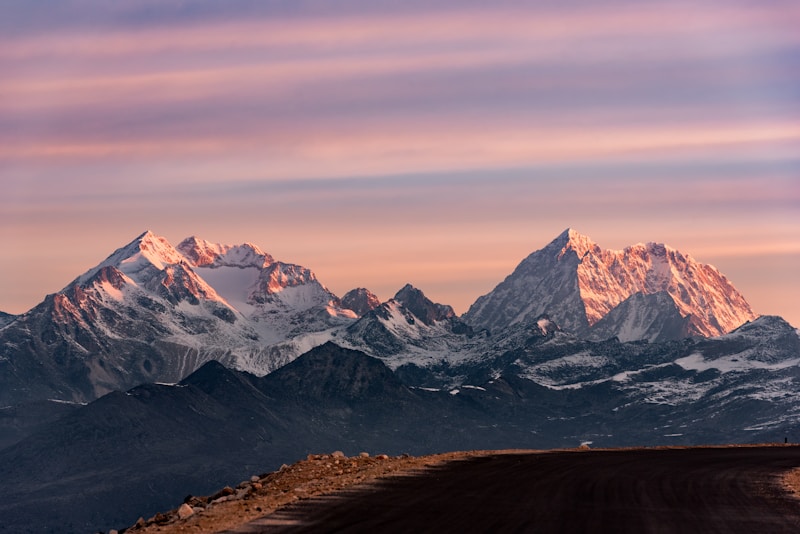
Pin Bhaba Pass Trek landscape

Pin Bhaba Pass Trek

The Pin Bhaba Trek is a spectacular crossover Himalayan trek that connects the lush green Kinnaur Valley with the cold desert landscape of Spiti Valley.

7N / 8D
4,909m
51km
Moderate
Himachal Pradesh, India Best season: July – August – September – June

About This Trek

The Pin Bhaba Trek is one of the most visually striking crossover treks in the Indian Himalayas. Starting from the verdant Bhaba Valley in Kinnaur, the trail gradually ascends through thick pine forests, charming Himalayan villages, river crossings, and flower-filled alpine meadows such as Mulling and Karah.

As the trek progresses, the landscape begins to change dramatically. The greenery slowly fades, and the terrain becomes more rugged and rocky as trekkers approach the high-altitude Pin Bhaba Pass. This transition is what makes the trek truly special - within a few days, you move from lush forests to a stark cold desert resembling Ladakh.

The most challenging and rewarding section of the trek is the crossing of the Pin Bhaba Pass, where trekkers are surrounded by panoramic views of snow-clad peaks of both Kinnaur and Spiti regions. After crossing the pass, the descent into the Pin Valley begins, where the environment is dry, barren, and culturally influenced by Tibetan Buddhism, offering a completely different Himalayan experience.

Due to its altitude gain, long walking hours, river crossings, and unpredictable weather, the trek is considered moderately difficult and requires good physical fitness and prior trekking experience.

Best Season

July August September June

Photo Gallery

Day-by-Day Itinerary

1

Day 1: Shimla to KAFNU Village

The trek begins with a long scenic drive from Shimla to Kafnu village in the Bhaba Valley. The route passes through Narkanda, Rampur, and along the Sutlej River. Kafnu is a small remote village surrounded by mountains and hydropower landscapes. On arrival, trekkers settle in and receive a trek briefing.

+244m 200km
2

Day 2: KAFNU to MULLING

The trek starts through dense forests, river streams, and apple orchards. The trail gradually ascends into alpine terrain. Mulling is a wide meadow campsite surrounded by pine forests and mountain views, offering a peaceful camping experience.

+853m 11km
3

Day 3: MULLING to KARA

The route continues along rivers and natural bridges with increasing altitude. The landscape becomes more open with beautiful alpine flowers and grazing grounds. Kara is a scenic campsite with panoramic views of surrounding peaks.

+305m 6km
4

Day 4: KARA (Acclimatization Day)

A rest and acclimatization day to adjust to high altitude conditions. Short walks around the campsite help in recovery and preparation for higher ascent ahead.

+1m 0.1km
5

Day 5: KARA to PHUSTIRANG

The trek becomes steeper as the trail moves into rocky alpine terrain. The landscape becomes more rugged with glaciers and cold winds. Phustirang is a high-altitude campsite offering close views of snow-covered peaks.

+580m 5km
6

Day 6: PHUSTIRANG to BWALDAR via PIN BHABA PASS

The most challenging and highlight day of the trek. Early morning ascent leads to Pin Bhaba Pass at around 4,900 m. After crossing the pass, the landscape dramatically changes from green Bhaba Valley to barren Spiti Valley. A long descent leads to Bwaldar campsite.

+799m 15km
7

Day 7: BWALDAR to MUDH Village and Drive to KAZA

A gradual descent continues into Pin Valley. The trail ends at Mudh village, one of the last motorable villages in Spiti. From here, a drive takes trekkers to Kaza, marking the end of the trek.

+285m 7km
8

Day 8: KAZA to MANALI (Drive Back)

A long scenic drive from Kaza back to Manali through high mountain roads concludes the journey.

+1768m 210km

What's Included

  • Insurance is mandatory.
  • Accommodation (as per the itinerary)
  • Sleeping bag, sleeping liners (if needed), mattresses, and utensils.
  • Medical kit, stretcher, oxygen cylinder, blood pressure monitor, oximeter, stethoscope.

Not Included

  • Insurance (For non-Indian Nationals, NRI or OCI card holders).
  • Emergency evacuation, hospitalization charge, etc.
  • AEDs (Automated External Defibrillators)
  • Satellite phone/set phone

Required Equipment

Thermal innerwear (upper & lower) – 2 pairs
Quick-dry T-shirts – 3
Fleece jacket – 1
Waterproof and windproof jacket – 1
Warm trekking socks – 3–4 pairs
Woollen cap and sun cap – 1 each
50–60 L trekking backpack with rain cover
Waterproof gloves – 1 pair and Warm inner gloves – 1 pair
10–15 L daypack
Trekking poles – 1 pair
High-ankle trekking shoes with good grip
Water bottles – 2 × 1 litre
Personal toiletries, Waterproof pouches / dry bags, Power bank
Personal prescribed medicines, Basic first-aid kit
Original government ID proof

Who Can Do This Trek?

Fitness Level Required

• Age requirement: Minimum 12–14 years (with support), recommended 16–55 years, above 55 years only with excellent fitness and prior trekking experience

• Should be able to run 5 km in 30–35 minutes or walk 8–10 km continuously on plain terrain

• Should have stamina for 5–8 hours of trekking daily in mountain terrain

• Should be comfortable with steep ascents, long descents, rocky trails, and river crossings

• Should have good leg strength and core strength with regular cardio training (running, brisk walking, stair climbing)

• Should be physically fit enough to handle high-altitude conditions and long trekking days

Experience Required

• Prior Himalayan trekking experience is recommended

• Should have completed at least 1–2 moderate treks above 3,500–4,000 meters altitude

• Should be comfortable with multi-day trekking and carrying a backpack

• Should have basic awareness of high-altitude trekking challenges like Acute Mountain Sickness (AMS)

• First-time trekkers are not preferred for this trek due to its moderate to difficult level

Frequently Asked Questions

Need Help?

Our trek experts are ready to help you plan your adventure.

+91 63833 13359
Chat on WhatsApp